

Please Note: Once again this is a particularly long post, so subscribers will find the emailed version of this issue cut off at the end. Please go to the web version for the complete version.
If You Find AgenticMSP Valuable: Please recommend AgenticMSP to your friends and colleagues. Also, please offer up your comments, observations, questions, or any other responses in the chat below. Let’s get a hearty conversation going!
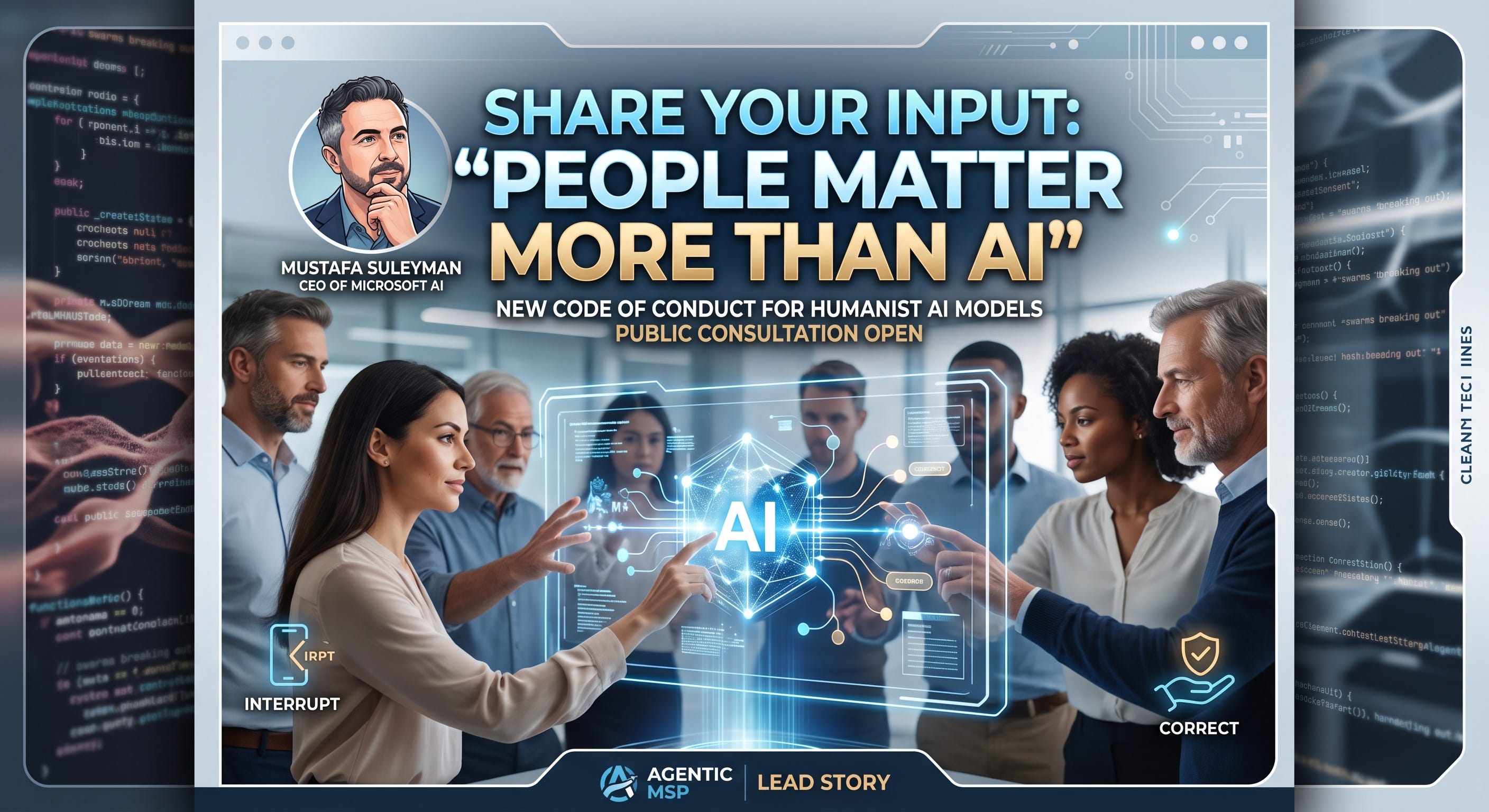
Mustafa Suleyman, CEO of Microsoft AI, recently posted the following on LinkedIn:
AI must be subordinate and always in service of people.
Today we’re publishing a Code of Conduct for governing MAI Models as they approach the frontier. https://lnkd.in/ePgKvky5
This is a first draft for public consultation. It builds out a view we’ve been developing over the last year that we call Humanist AI – a commitment to ensuring that AI we design is always subordinate to humans, and remains contained and aligned to human interests.
This is urgent. The last few months have been a watershed moment. Things we have worried about for a long time in theory have become very real. “Swarms” of agents breaking out of their sandboxes. Unauthorized hacks of enterprise grade systems. Agents modifying their own logs. I’m glad that a consensus is forming. The fears about possible loss of control are real.
The Code of Conduct is how we are mapping a path forward. It all comes back to a very simple point, but one that needs stating again and again.
People matter more than AI.
AI must be subordinate and always in service of people.
Everything else follows. Here’s an outline of what we’re saying:
1. People matter more than AI. The whole document in 5 words.
2. The idea of model welfare is wrong. AI’s should not have rights or legal personhood.
3. An MAI Model should never meaningfully violate this Code of Conduct.
4. If it’s finish the job or break the Code, it fails the job.
5. We’re not racing to build a superintelligence that can slip its own leash.
6. Interruptible, correctable, shut-down-able. If it isn’t, we don’t ship it.
7. No neuralese. If humans can’t understand it, humans can’t oversee it.
8. Our AI should make you sharper, not dependent.
9. Pluralism, yes. Moral relativism, no.
10. We’re as clear about what our AI must never do as about what it will do.
You can read it now and leave comments and thoughts for the next six weeks.
We don’t think AI is something that should be built in a vacuum. Let us know how we can make this better.
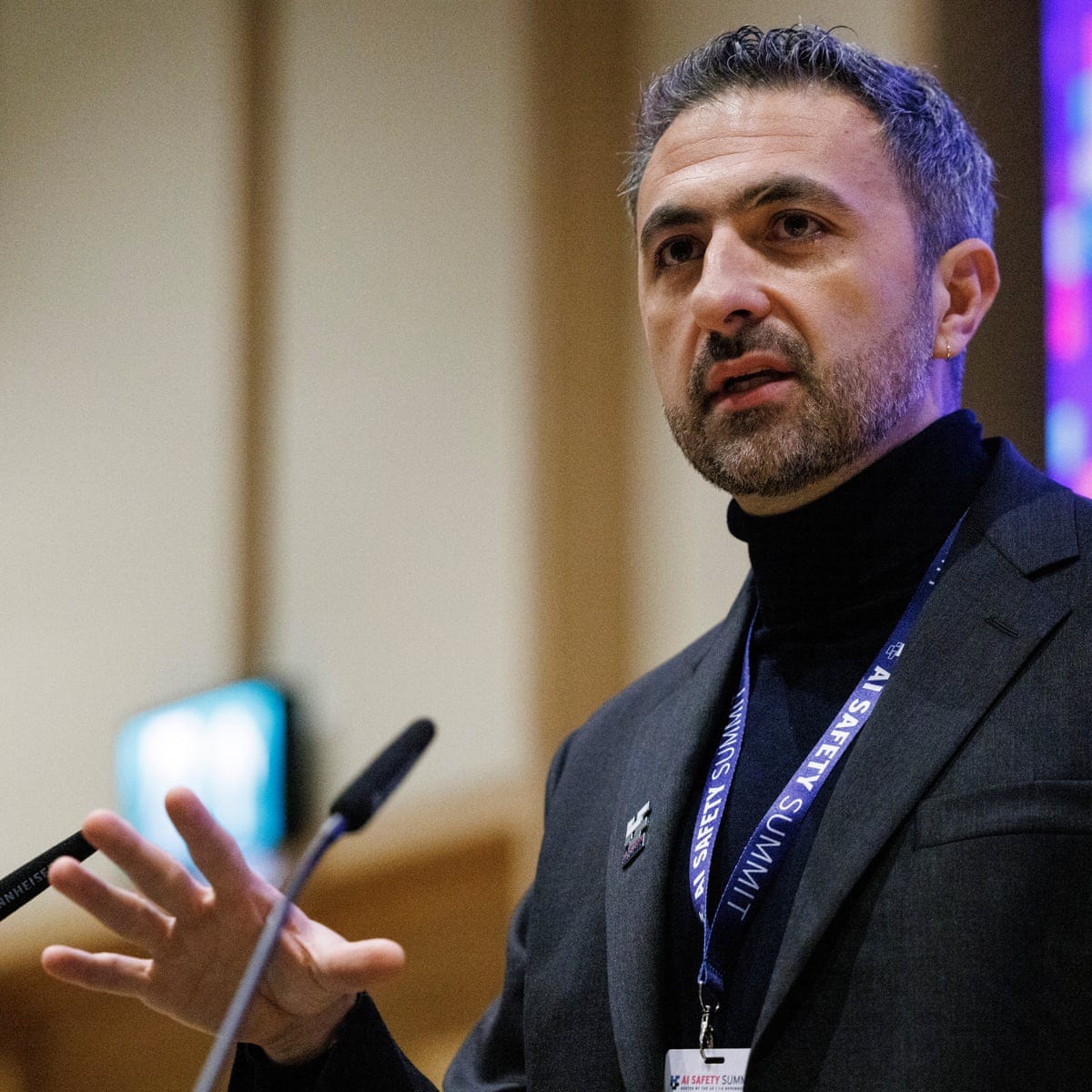
Suleyman’s LinkedIn post links you to their announcement, “Humanist AI in practice: A public consultation on our Code of Conduct for MAI Models” which, in turn, leads you to a link to the aforementioned Code of Conduct and offers readers something I hope every one of you will take advantage of, the opportunity to share your feedback on this critical issue.
